
Land Degradation, Restoration and Sustainable Land Management Training Workshop
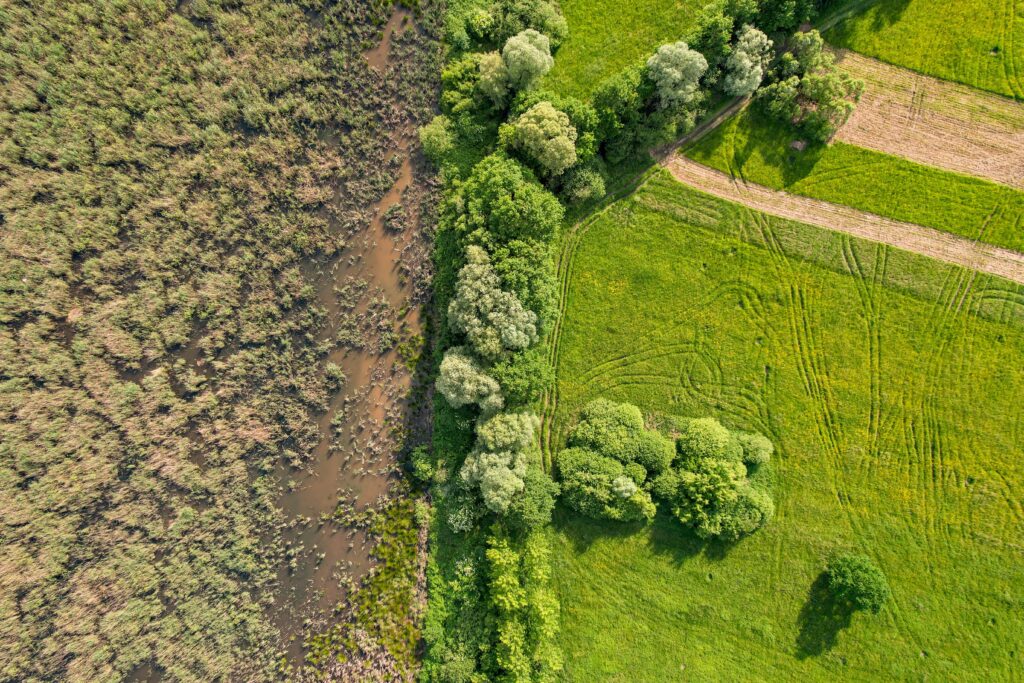
Land degradation poses one of the greatest threats to sustainable development, food security, biodiversity conservation, water security, and climate resilience. Unsustainable land use practices, deforestation, soil erosion, overgrazing, mining, urban expansion, and climate change continue to accelerate the degradation of ecosystems worldwide. Effective land restoration and sustainable land management (SLM) are therefore essential for restoring ecosystem productivity, improving livelihoods, enhancing biodiversity, and building climate-resilient landscapes.
Drawing on global best practices, including the UN Convention to Combat Desertification (UNCCD), FAO Sustainable Land Management Framework, and the UN Decade on Ecosystem Restoration, the course combines classroom instruction with field-based learning, practical demonstrations, and real-world case studies. Participants will develop restoration plans that integrate ecological, social, and economic considerations to support sustainable landscape management.
Environmental Impact Assessment (EIA) in Forestry and Land Use Projects Training Workshop

Environmental Impact Assessment (EIA) is a critical planning and decision-making tool that ensures forestry and land use projects are environmentally sustainable, socially responsible, and compliant with legal and regulatory requirements. As investments in forestry, agriculture, infrastructure, mining, renewable energy, and landscape restoration continue to grow, there is an increasing need for professionals capable of identifying, predicting, evaluating, and mitigating environmental and social impacts throughout the project lifecycle.
This training equips participants with the practical knowledge and technical skills required to undertake Environmental Impact Assessments for forestry and land use projects using internationally recognized principles and best practices. Participants will gain hands-on experience in environmental screening, scoping, baseline studies, impact assessment, stakeholder engagement, Environmental Management Plans
(EMPs), monitoring, and environmental auditing. Through case studies, field assessments, and practical report-writing exercises, participants will develop the competencies needed to contribute effectively to sustainable project planning and environmental compliance.
Community-Based Forest Management and Participatory Land Use Planning Training Workshop
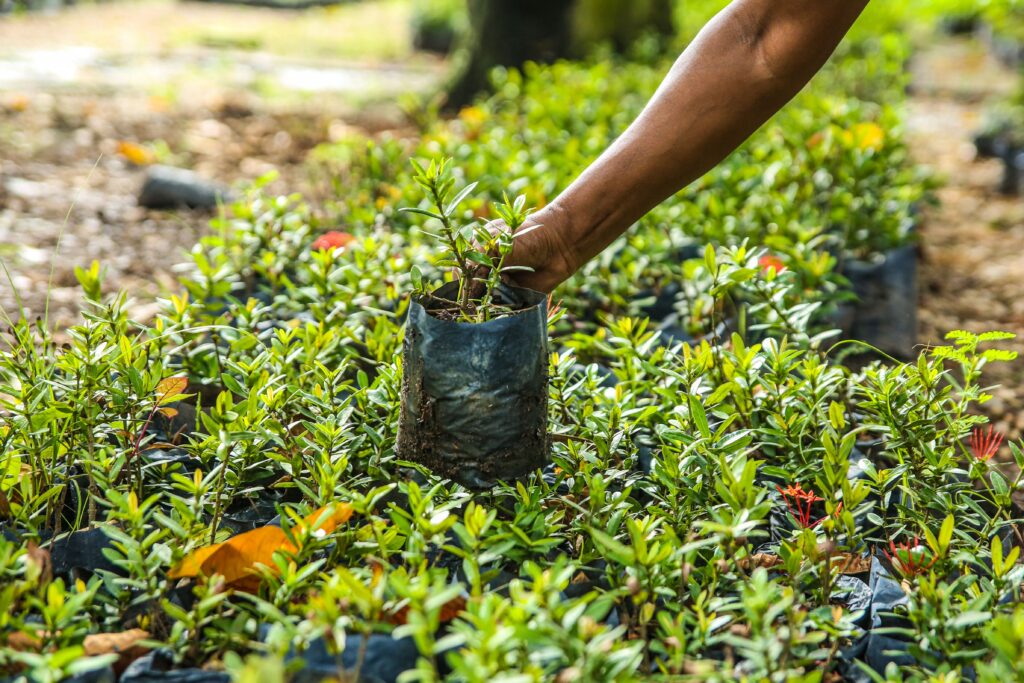
Sustainable forest management requires active participation of local communities, effective governance systems, and integrated land use planning approaches that balance environmental conservation with socioeconomic development. This course equips participants with the knowledge and practical skills to design, implement, monitor, and evaluate community-based forest management initiatives using participatory approaches that promote sustainable livelihoods, biodiversity conservation, climate resilience, and equitable natural resource governance.
Through interactive learning, field-based practical exercises, case studies, and stakeholder engagement simulations, participants will develop competencies in participatory forest governance, land use planning, conflict resolution, forest restoration, and community-led monitoring systems. By the end of the course, participants will be able to prepare practical Community Forest Management and Participatory Land Use Plans that can be applied within government agencies, NGOs, conservation organizations, and community institutions.
Biodiversity Conservation and Forest Ecosystem Management Training Workshop

Biodiversity underpins healthy ecosystems, sustainable livelihoods, climate resilience, and economic development. However, increasing pressures from deforestation, habitat fragmentation, land degradation, climate change, pollution, invasive species, and unsustainable resource use continue to threaten biodiversity worldwide. Effective biodiversity conservation and forest ecosystem management require integrated approaches that combine sound ecological science, community participation, policy implementation, and adaptive management.
This course equips participants with the knowledge, practical skills, and tools required to conserve biodiversity, sustainably manage forest ecosystems, restore ecological integrity, and strengthen ecosystem resilience. Participants will explore modern conservation strategies, protected area management, ecosystembased approaches, biodiversity monitoring, and community-led conservation initiatives while integrating emerging technologies such as GIS, remote sensing, drones, and AI in ecosystem management. Through practical exercises, field studies, case studies, and collaborative learning, participants will develop practical biodiversity management plans applicable to protected areas, forests, landscapes, and community conservation programmes.
ENVIRONMENTAL AND SOCIAL SAFEGUARDING TRAINING WORKSHOP – USD 500 (Online – 2 Weeks, 2hrs/Day)

The Environmental and Social Safeguard Training program is designed to equip participants with the knowledge and skills necessary to effectively manage environmental and social risks associated with projects. This training will cover the principles, frameworks, and practices required to ensure compliance with relevant regulations and standards, while promoting sustainable development and community engagement. This program is ideal for those involved in environmental impact assessment, social risk management, and project risk mitigation, ensuring they can navigate the complexities of modern development projects while upholding the highest standards of environmental and social responsibility. Participants will learn to identify potential impacts, implement mitigation measures, and engage stakeholders effectively.
COMPREHENSIVE DISASTER MANAGEMENT (CDM) FOR MEDIA PRACTITIONERS Training Workshop

This course seeks to introduce media and journalism professionals to some of the basic concepts of disaster risk management (DRM), as it builds awareness of the role of media and journalism at all stages of the disaster cycle- before, during and after a disaster.
It also seeks to draw on the experiences of regional media and journalism professionals, who have reported from disaster zones, to prepare participants for the realities of disaster reporting in the field better.
Comprehensive Emergency Management (CEM) for Humanitarian and Development Professionals Training Workshop
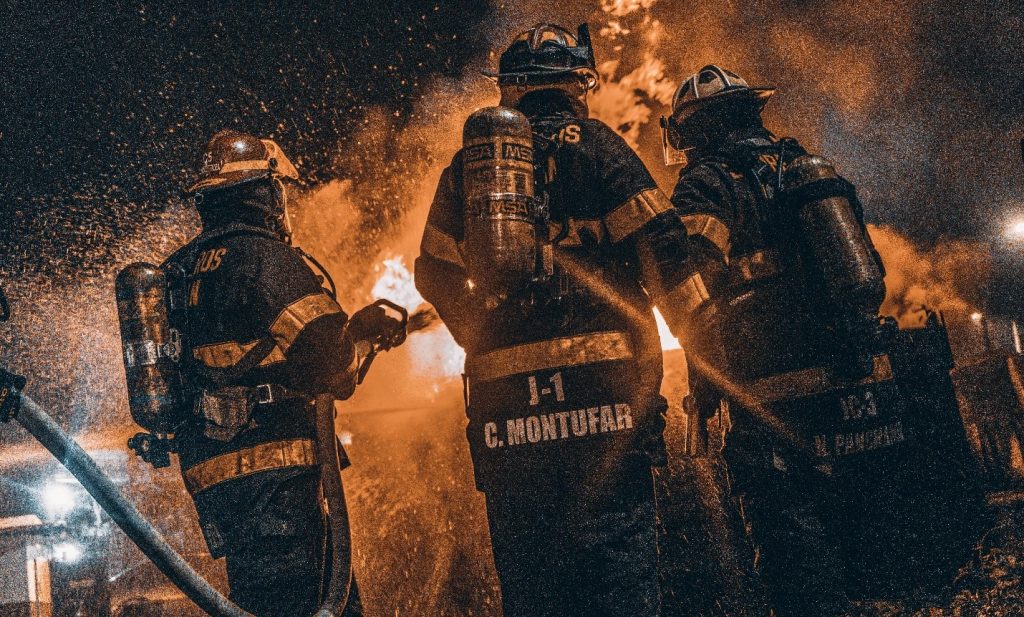
This course presents the basic theories, principles, and approaches to comprehensive emergency management. The main purpose is to introduce participants to the discipline of emergency management, and to familiarize them with fundamental concepts, methods, and issues in mitigation, preparedness, response, and recovery.
The training aims to equip participants with practical skills and knowledge that would enable them to coordinate, control and command effectively and efficiently any emergencies and disasters within their jurisdiction or when called upon to support other jurisdictions in the event of a disaster.
Disaster Communication and Early Warning Systems Training Workshop
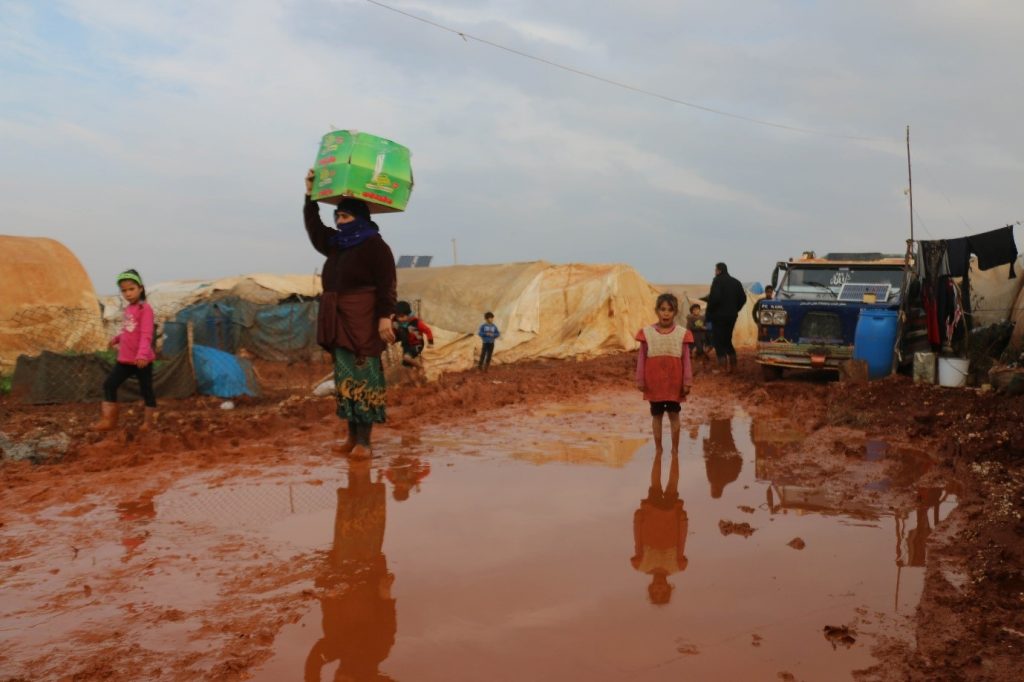
Being able to anticipate and communicate effectively is a necessary part of every emergency management professional’s job. The course aims to equip participants with the knowledge and skills necessary to develop, implement, and improve effective early warning systems to reduce disaster risks and enhance community resilience.
Disaster Preparedness & Response Planning Training Workshop
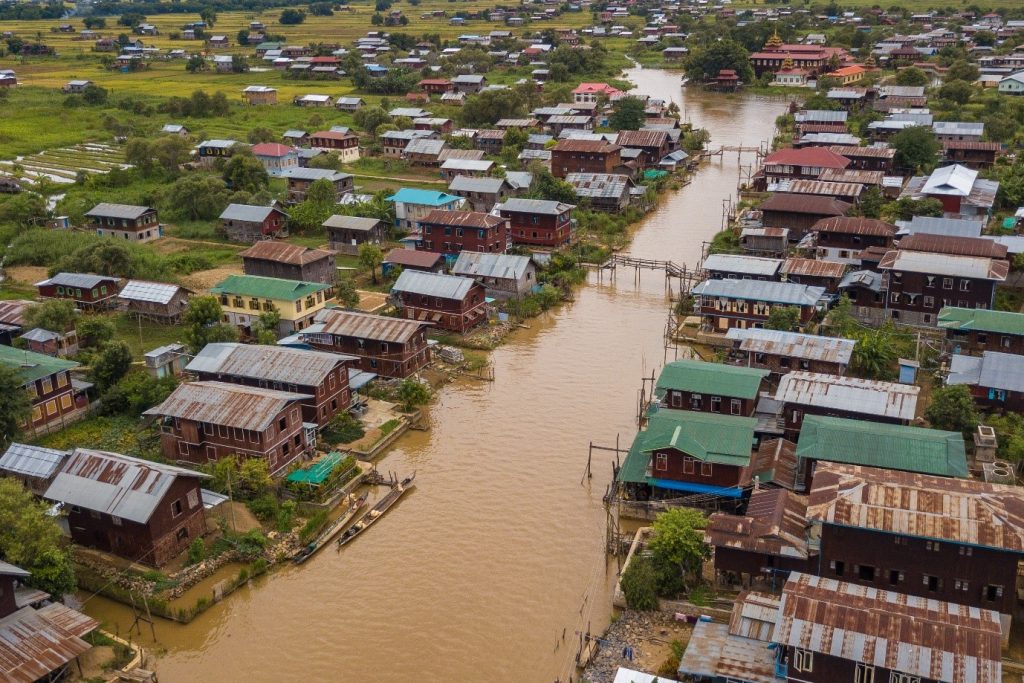
Disaster preparedness and response planning is a continuous and consolidated process that entails measures to be undertaken by international, regional, national and local stakeholders as well as households and individuals to prepare for and reduce the effects of disasters.
This course aims to enhance the knowledge, skills and abilities of participants to prepare their jurisdictions (countries, organizations, communities and households) ahead of disaster to reduce disaster losses in; lives, livelihoods, health, and the economic, physical, social, cultural and environmental assets through having a deliberate plan to respond to a disaster when it strikes.
Emergency Operation Centre (EOC) Training Workshop

An Emergency Operations Centre (EOC) provide communities, agencies or organizations with a model to effectively build capacity for site-level support and consequence management in response to large or complex incidents.
This EOC training will help you to develop knowledge, skills and a variety of strategies, techniques and tools needed in an EOC to help reduce risk and enhance resiliency in response to emergencies or disasters.